BYS x TIGA Collaboration
I was very lucky to get to collaborate with Tiga Taiwan Golf Academy (TIGA) to teach young golfers 5 behavorial economics topics that could help them improve their mental game on the course, and thus improve their golf game overall! Specifically, I taught the peak end rule, hero shot mentality, loss aversion, sunk cost fallacy, and emotional frequency.
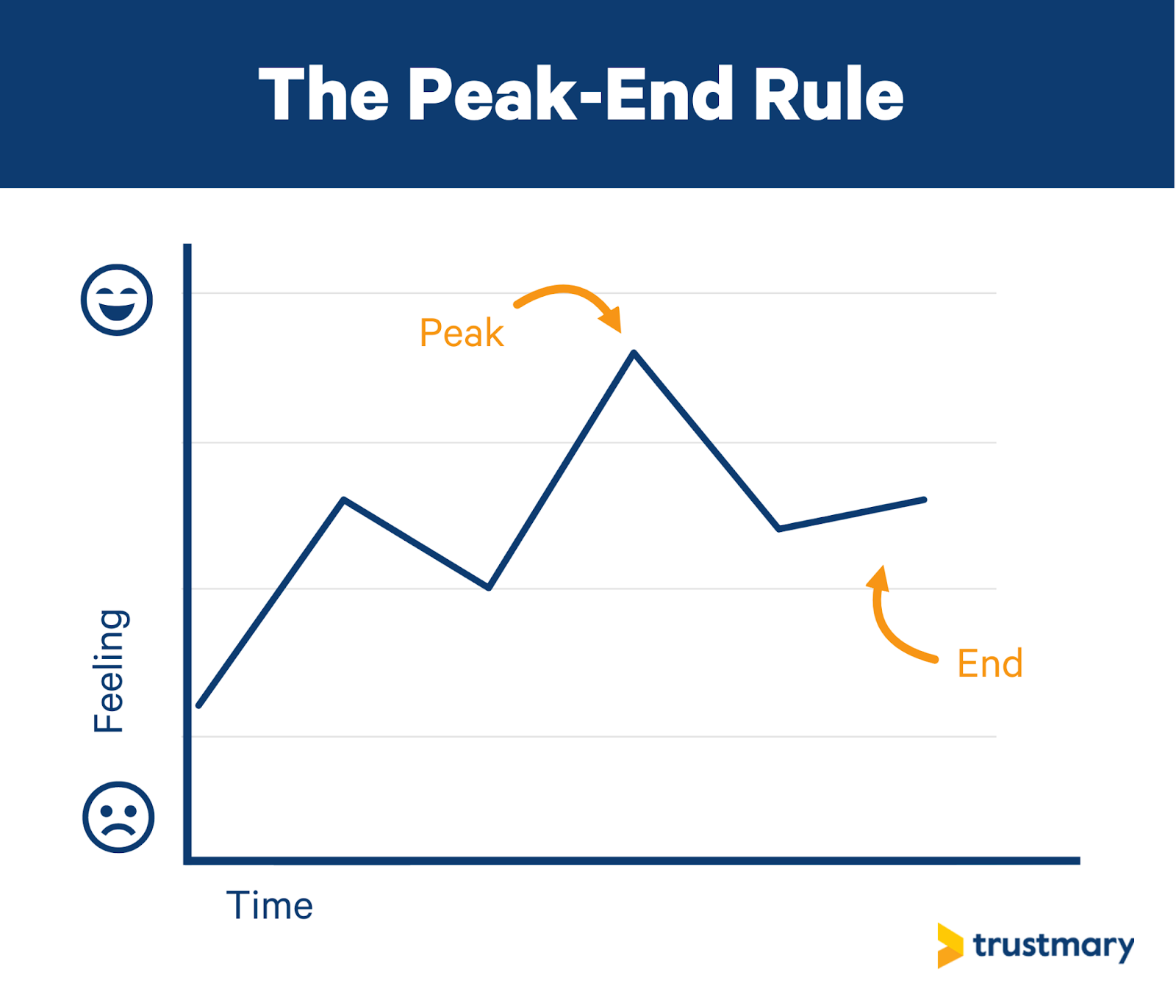
I used the peak end rule (which states how we remember certain moments based on the peak and the end moment) to emphasize how we shouldn’t be too affected after we have a bad hole in golf, and to recognize how if we end with a good shot, we can still look back on our round and think positively about it. Cultivating this forward-thinking mindset and being more encouraging to yourself will also help you play better.
The hero shot mentality refers to how we are always inclined to hit the most aggressive shot to “save” our game after we may put ourselves in a bad situation. Although many of the kids argued with me and said their aggressive shots are worth it, I informed them that statistically, taking the riskier shot doesn’t always work, and very often can compound the severity of the bad outcome. Shedding light on this inclination will hopefully motivate the kids to hit safer shots, allowing them to execute more stable games from start to finish.
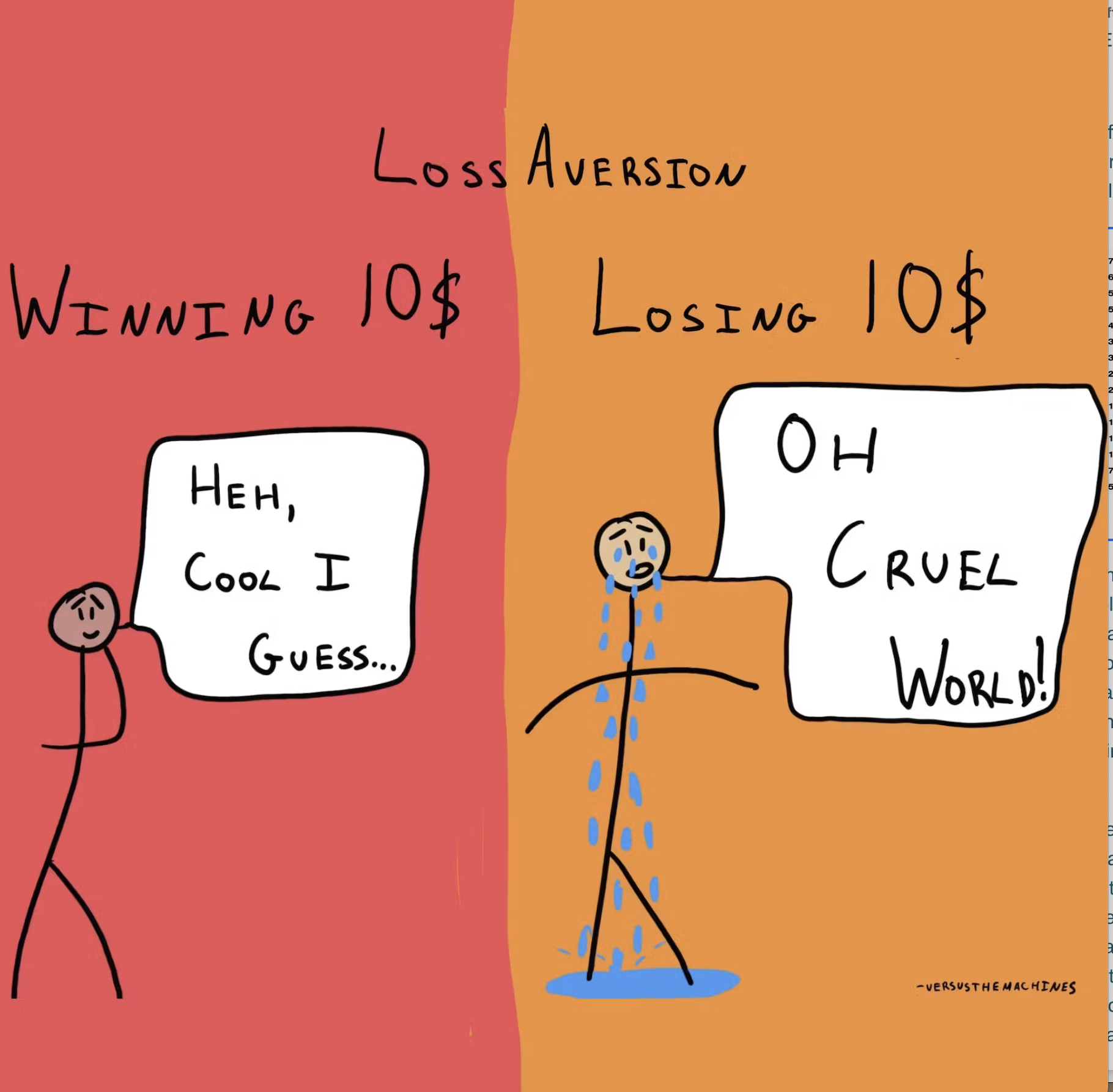
I explained loss aversion with an example using money: earning 10 dollars doesn’t necessarily feel super amazing, but losing 10 dollars leaves a strong negative impression. This concept correlates to golf, as we will always feel more emotional after a loss (e.g., like when we get a double bogey). If we hit a par, we might still wonder why we couldn’t have made a birdie. By informing them about the concept of loss aversion, I led the golfers in focusing on how to regulate their negative emotions after a bad hole.
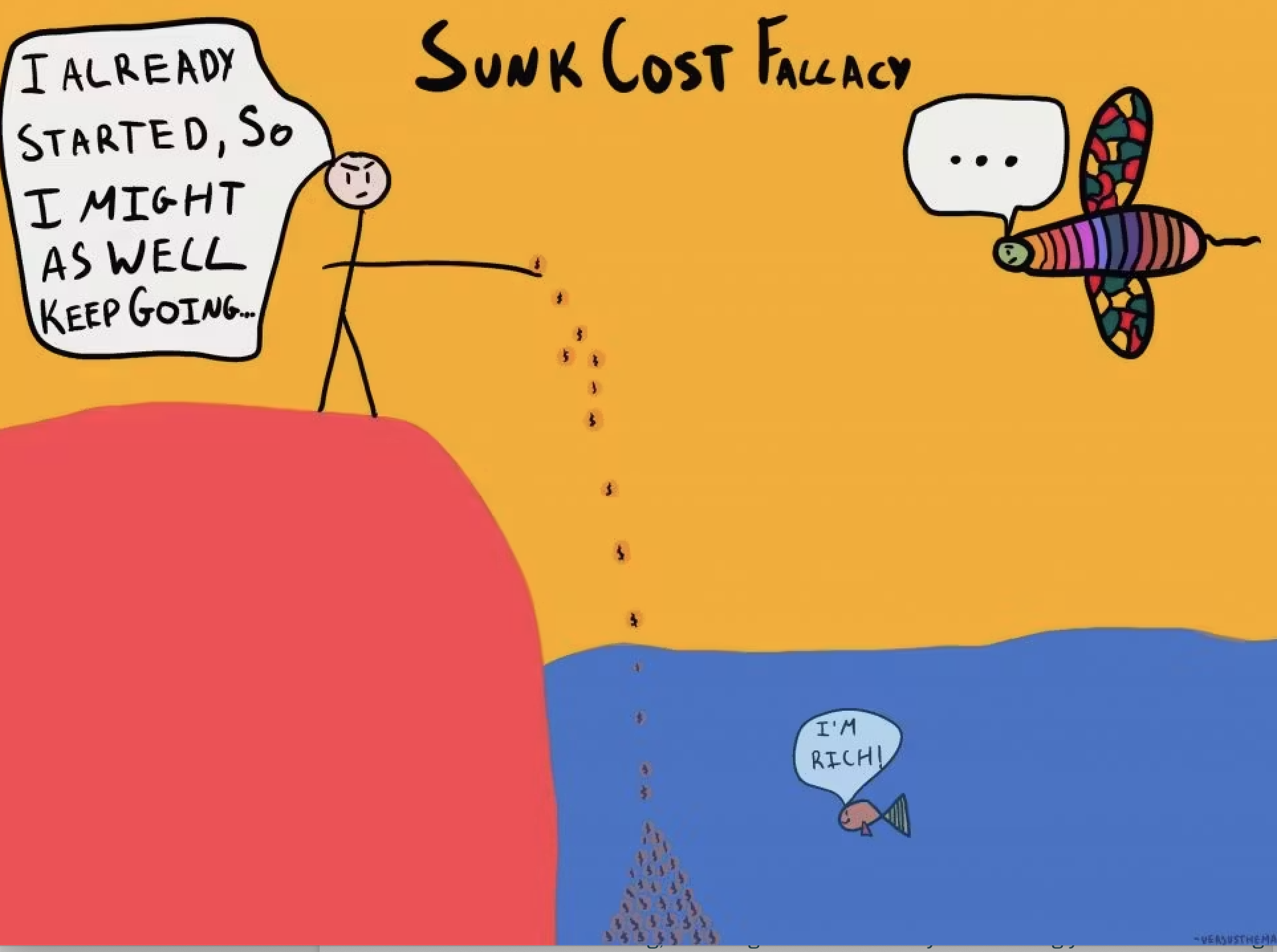
Sunk cost fallacy refers to when we want to continue putting effort into something, even if it is not giving us the preferred outcome, because we feel that we’ve already “sunk” a lot into it. In golf, compounding mistakes happen all the time, so when golfers hit one bad shot, it often leads to many, many more following bad shots. I urged the golfers to reset their minds instead of mentally “giving up” and continuing with careless shots. Just like how I approach my own games, I told them to treat each shot as a new opportunity and try to not think about what has already been done in the past.
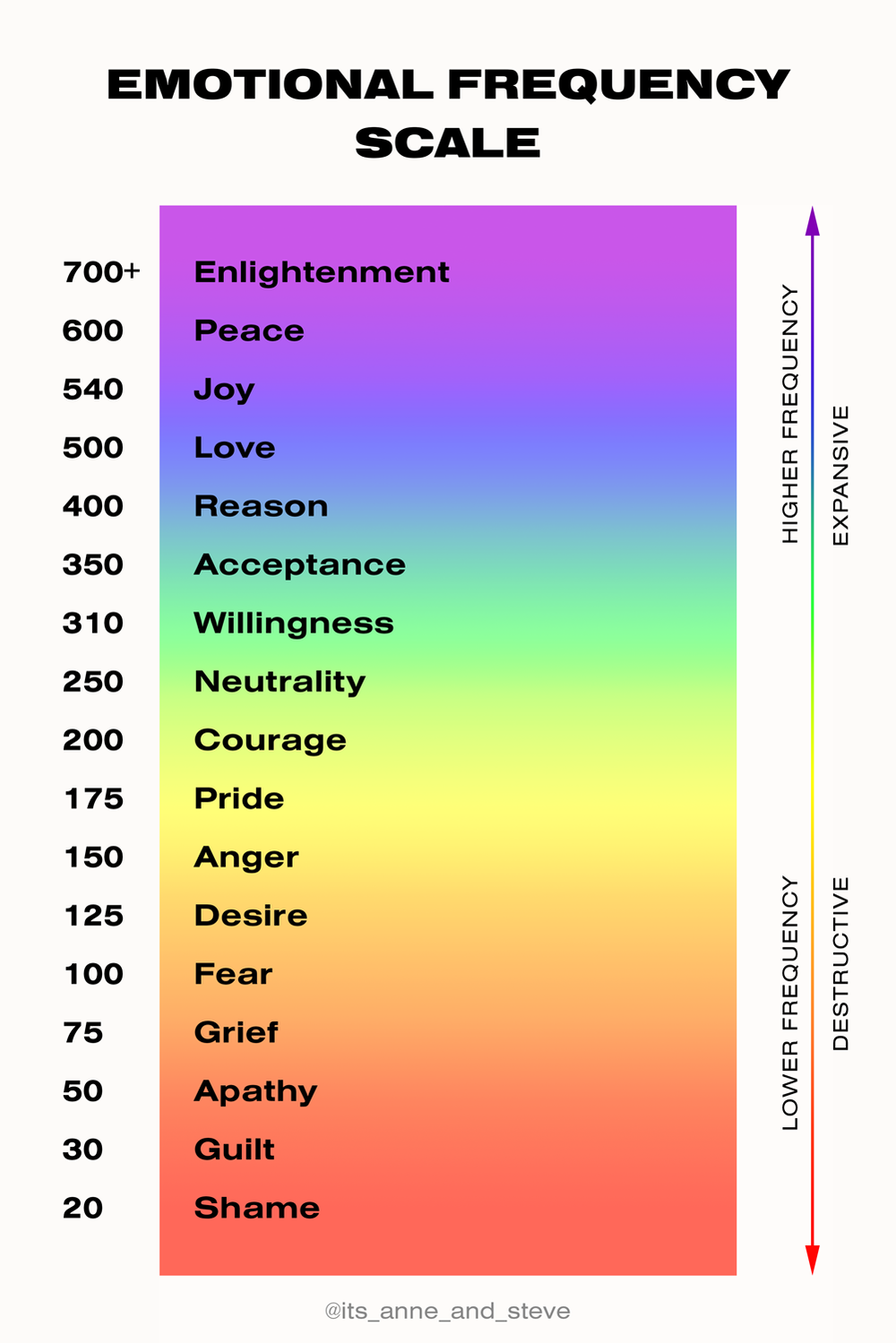
Lastly, educating the kids about emotional frequency was a nice ending to the program, as it is useful in almost all aspects of life. All emotions function on different frequencies—the more positive, the higher the frequency. The prevailing consensus is that it is impossible to attract good outcomes externally if, internally, we are not functioning on a high frequency. This is because like attracts like, so if we are feeling frustrated and angry after hitting a bad shot, negative outcomes will follow unless we change our mindset.
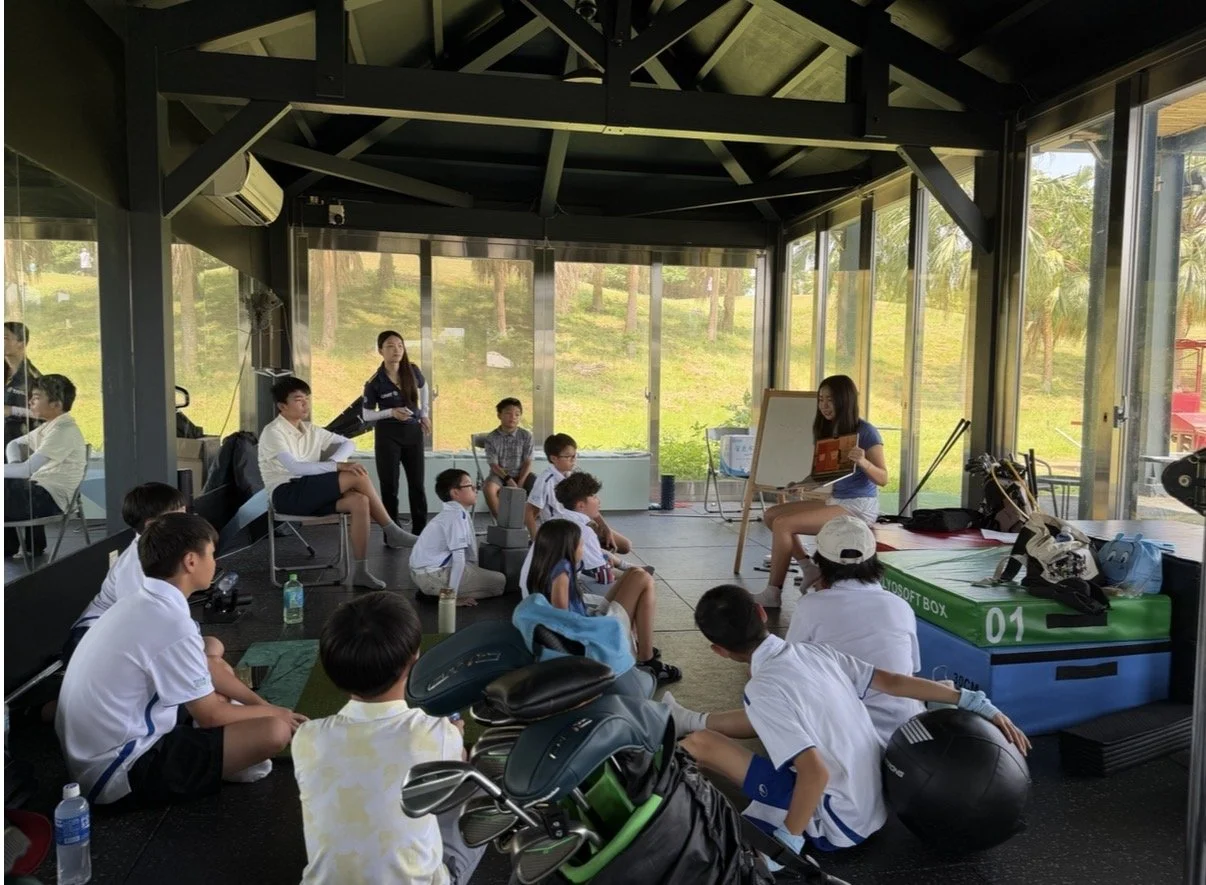
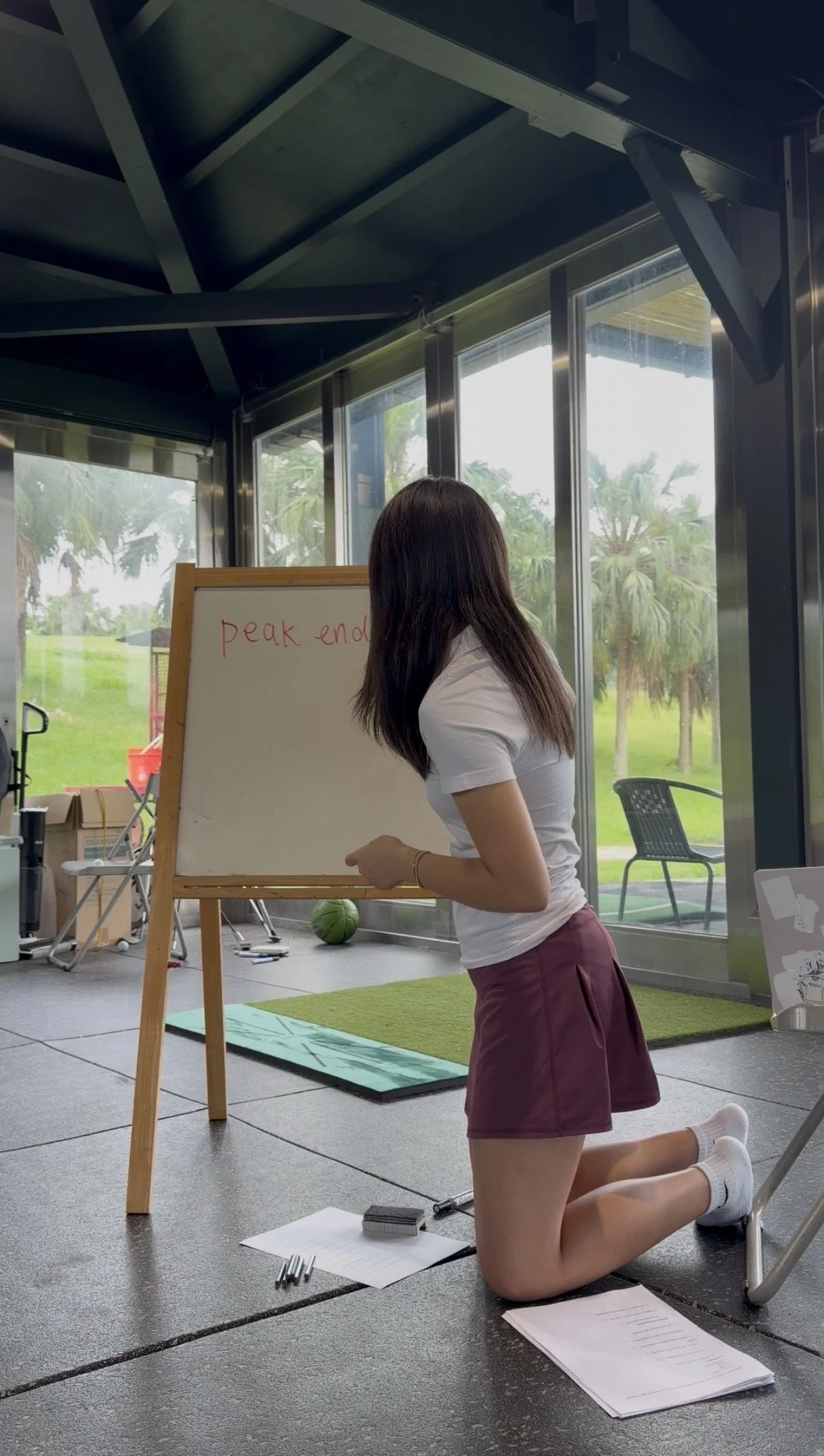
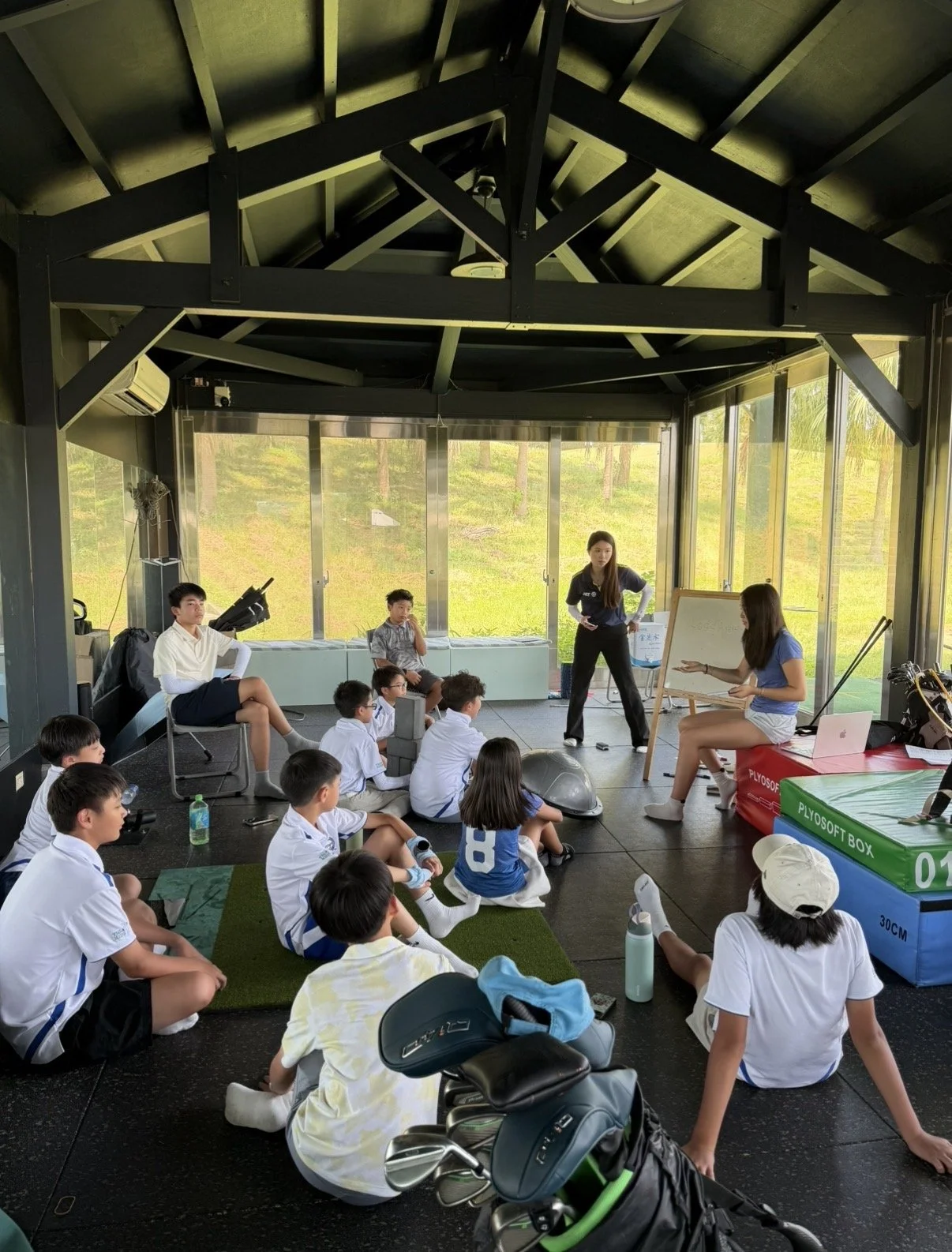
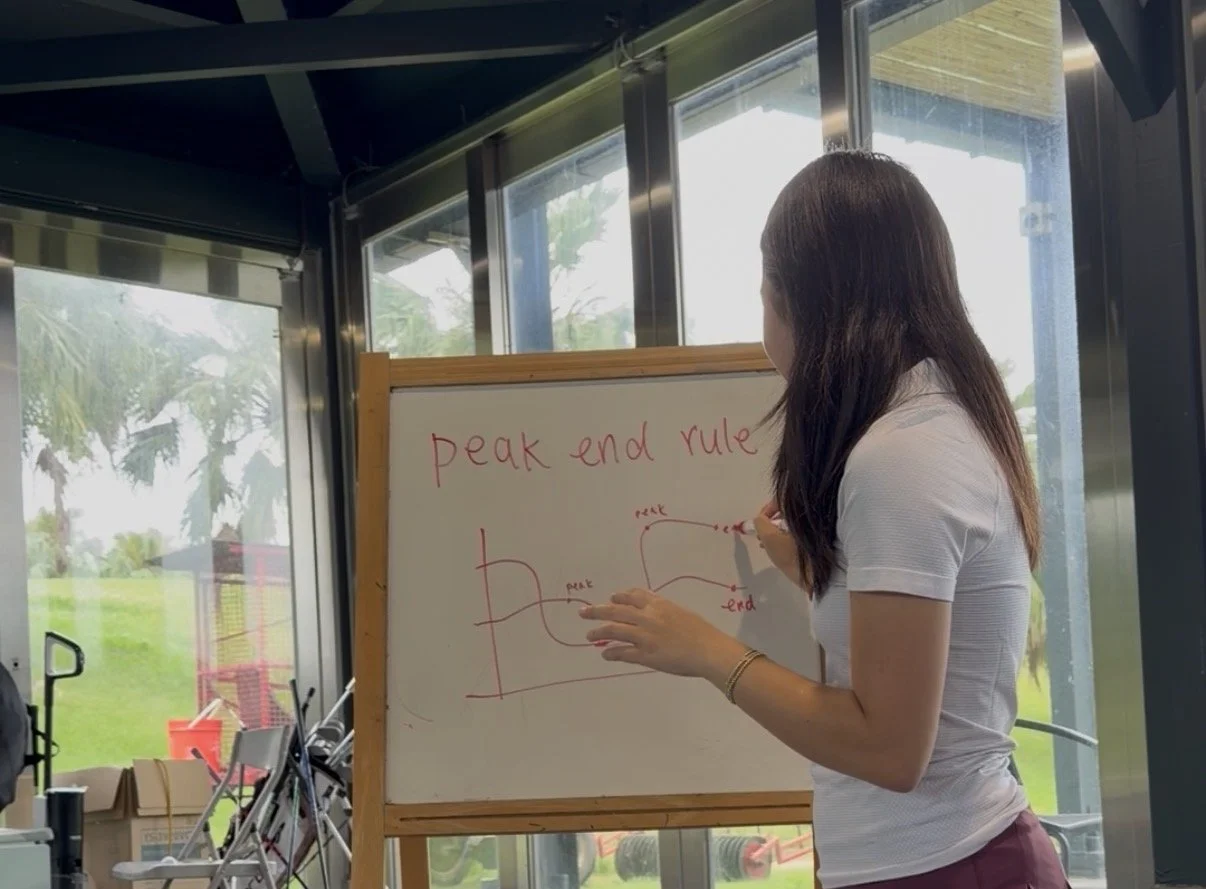
Working with kids from ages 8 to 15 through 3 week-long sessions at TIGA was an amazing experience for me. It allowed me to combine my interests in education, psychology, behavioral economics, and community service. Beyond simply hosting these workshops, I was able to collect some data through before-and-after questionnaires to gauge if understanding the aforementioned cognitive biases actually improved the kids’ mental game. Thankfully, I found that this was the case! I measured confidence, focus, and self-awareness levels, as well as emotional regulation and decision-making strategies. Many of the students reported better numbers in all these categories after learning about how our brains function!
Most of all, I’m happy that I was able to teach the kids concepts that often do not come up in golf training. Golf is as much of a mental sport as it is a physical sport, but training often focuses solely on physical techniques. I’ve loved sharing my passions and previous experiences with others, and I’m excited to continue doing so with other student-athletes in the future!
